
The export of draught beer, draught wine or other products in KEGs, especially filled in approved returnable KEGs, is an interesting additional business for many beverage producers, breweries and vintners. However, losses of returnable KEGs, defective or damaged KEGs, a low circulation rate of the KEG pool and high costs for return transport from distant countries as well as administration and management costs for temporary export and import of KEGs lead to unprofitable calculations and make profitable business difficult.
Disposable plastic PET KEG suppliers are inexpensive but not recyclable, at least not effectively. Products such as beer, wine or carbonated beverages filled in PET KEGs that are only partially pressure-stable suffer from light taste, CO2 loss and oxidation, which means they do not meet the quality demands of bottlers and consumers. In addition, there is a risk of injury and damage from PET container bursting, which can incur significant costs and affect the image. Ultimately, the increasing pollution of the world by plastic waste neither makes sense nor is it viewed positively politically or socially.
As the stainless steel disposable keg can simply be disposed of with household waste or recycled, it is perfect for online sales. In Germany, you can purchase filled kegs in the store Stauder WORLDKEG 25 Liter and receive them by parcel delivery to your home.

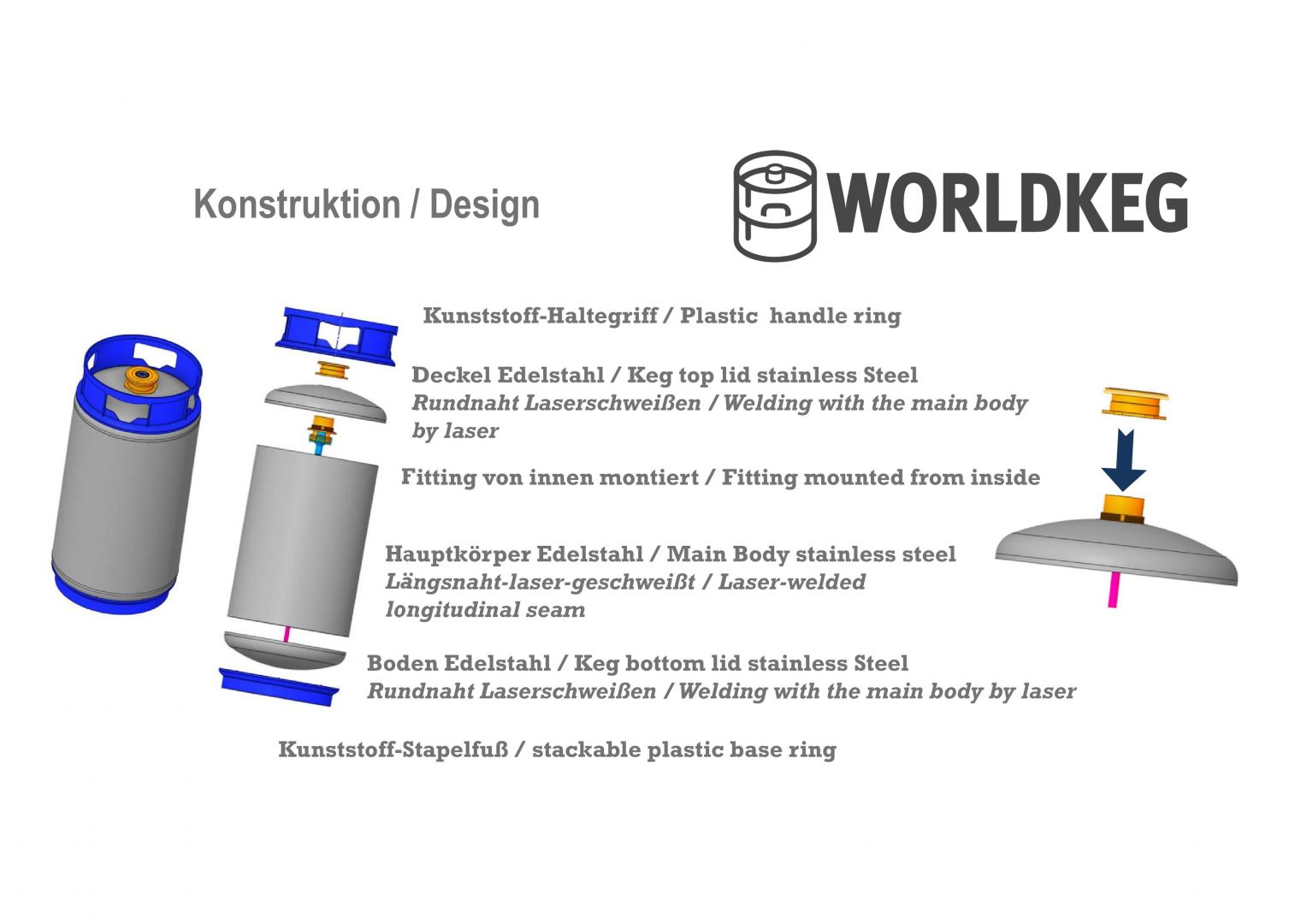
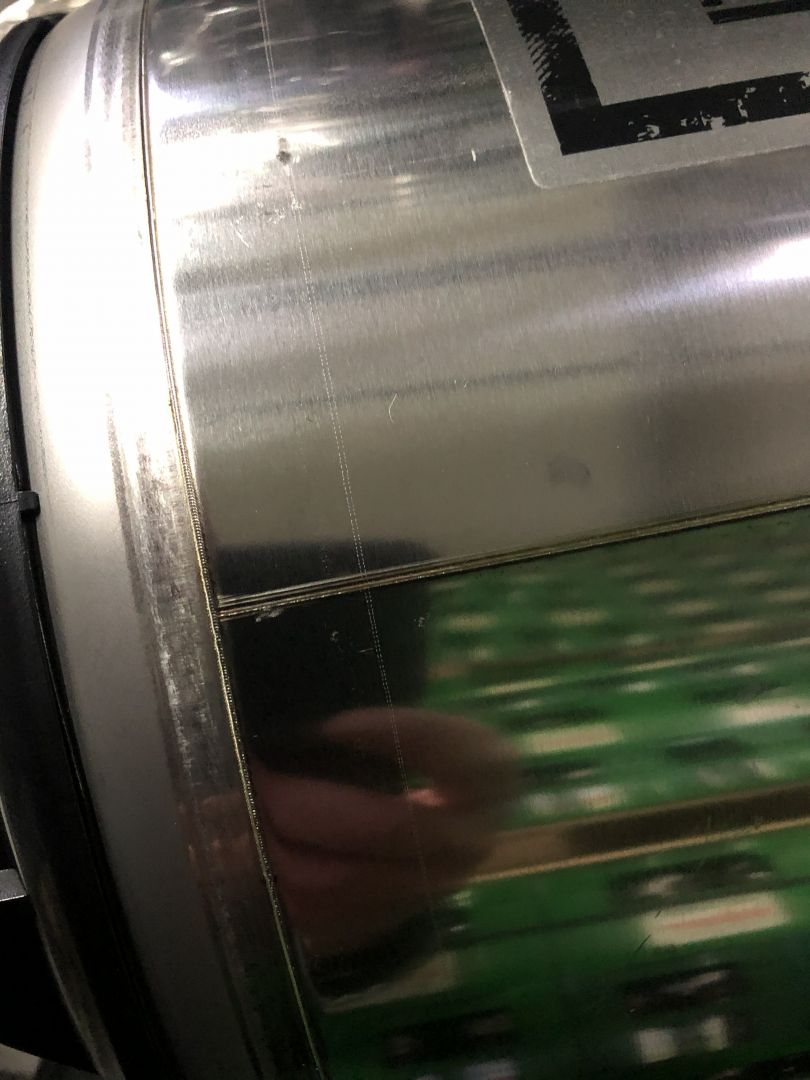
Our patented three-part disposable WORLDKEG solution is made of thin-walled stainless steel and is technically and technologically equivalent to the proven stainless steel reusable KEG suppliers. Already today, the worldwide recycling rate is over 90%, as our empty WORLDKEG has a financial value for the scrap trade. Products made of sheet metal or aluminum are generally considered to be problem-free in the recycling process, as everyone involved in the chain of use benefits, thus creating a closed cycle without government laws or bans.
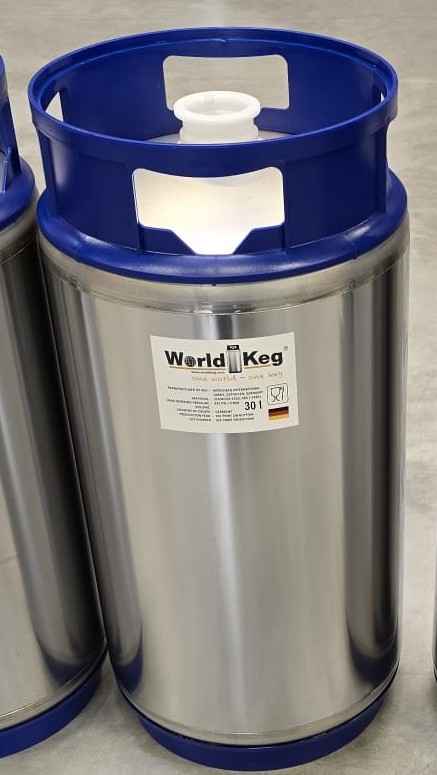
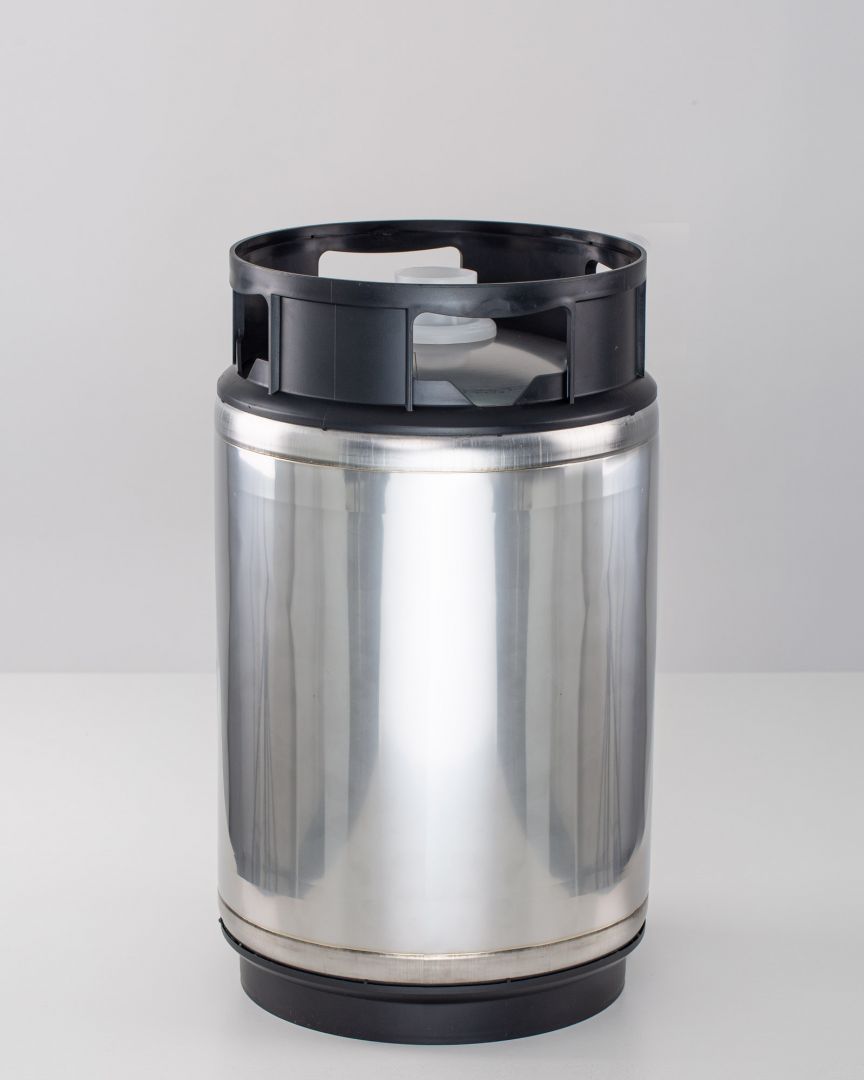
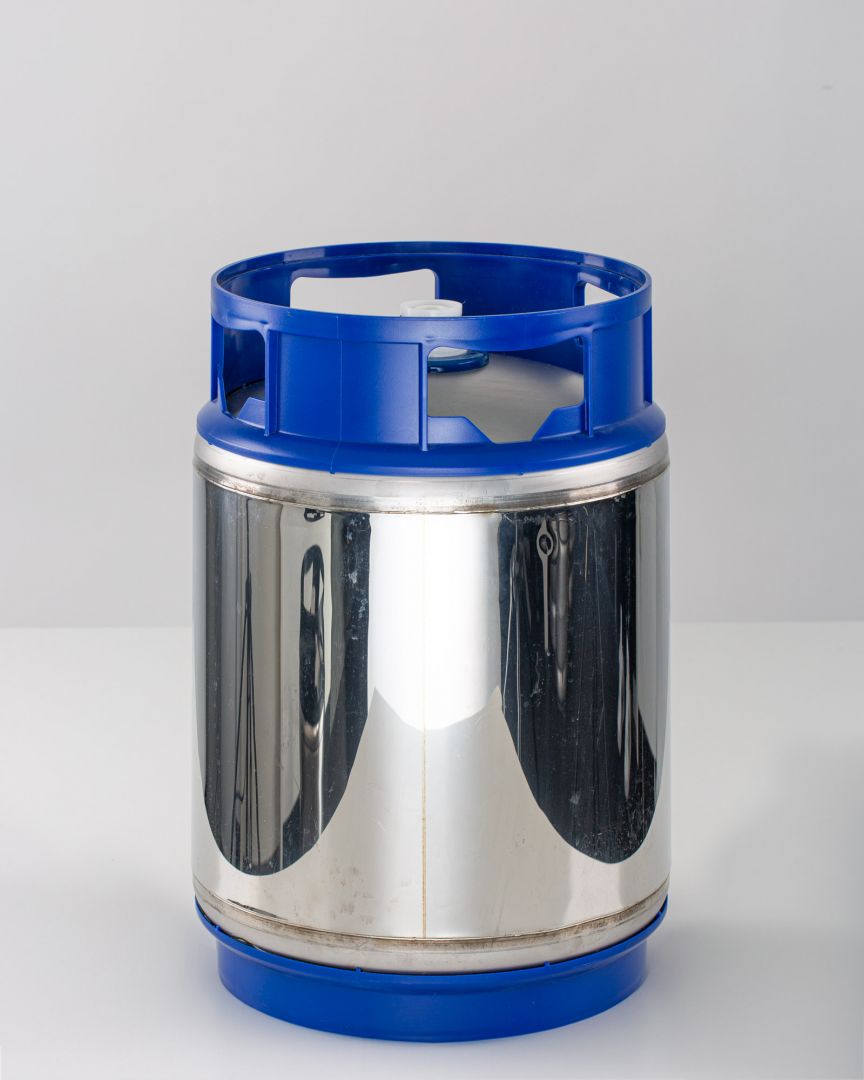
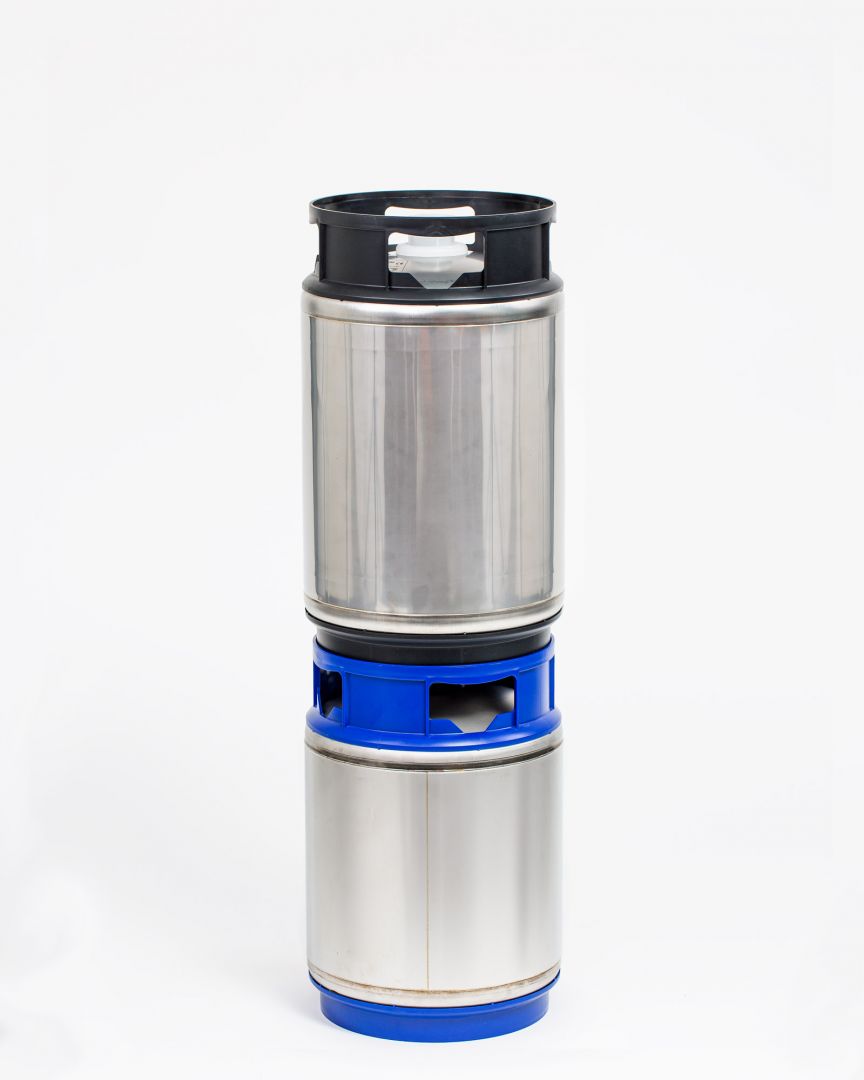
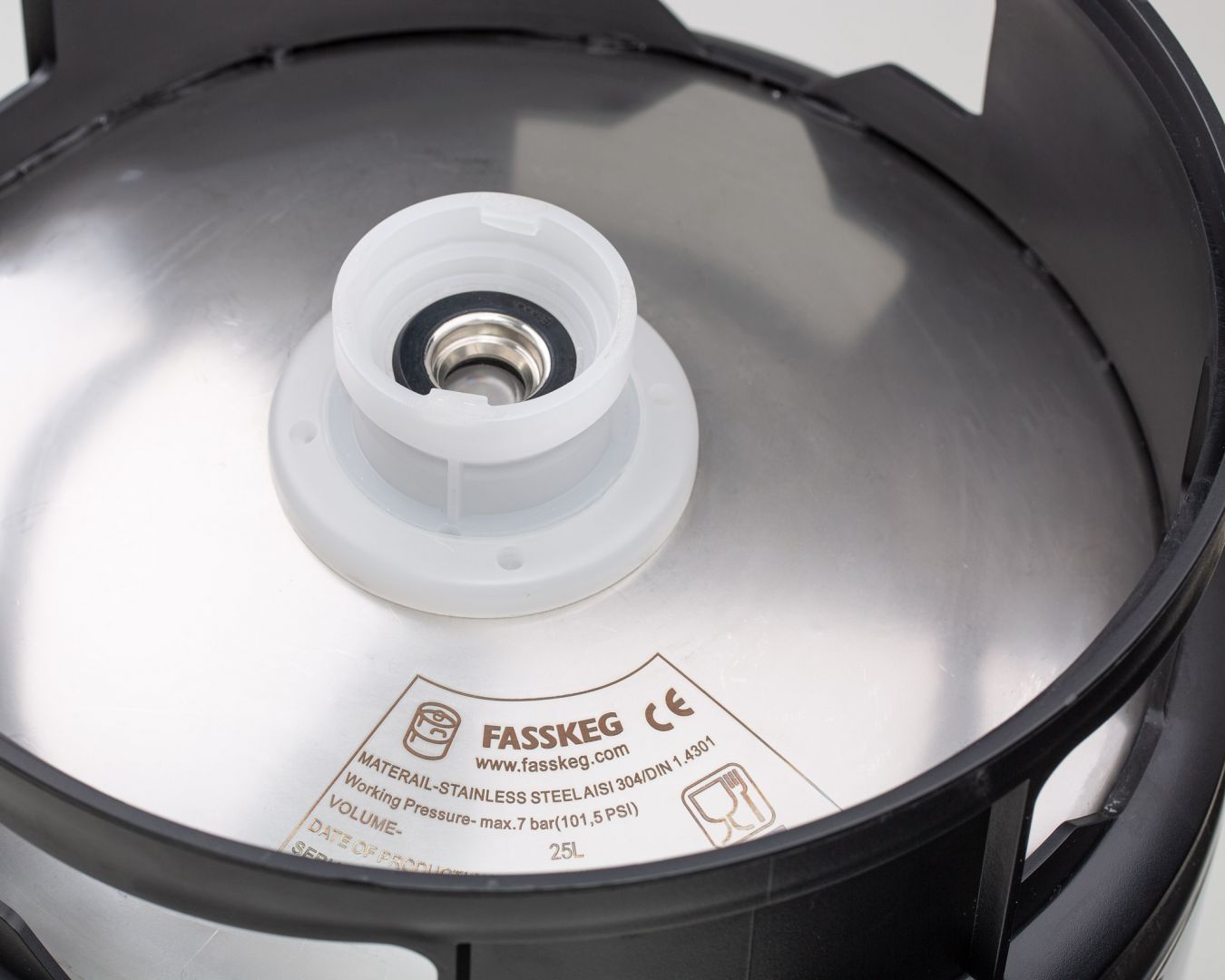
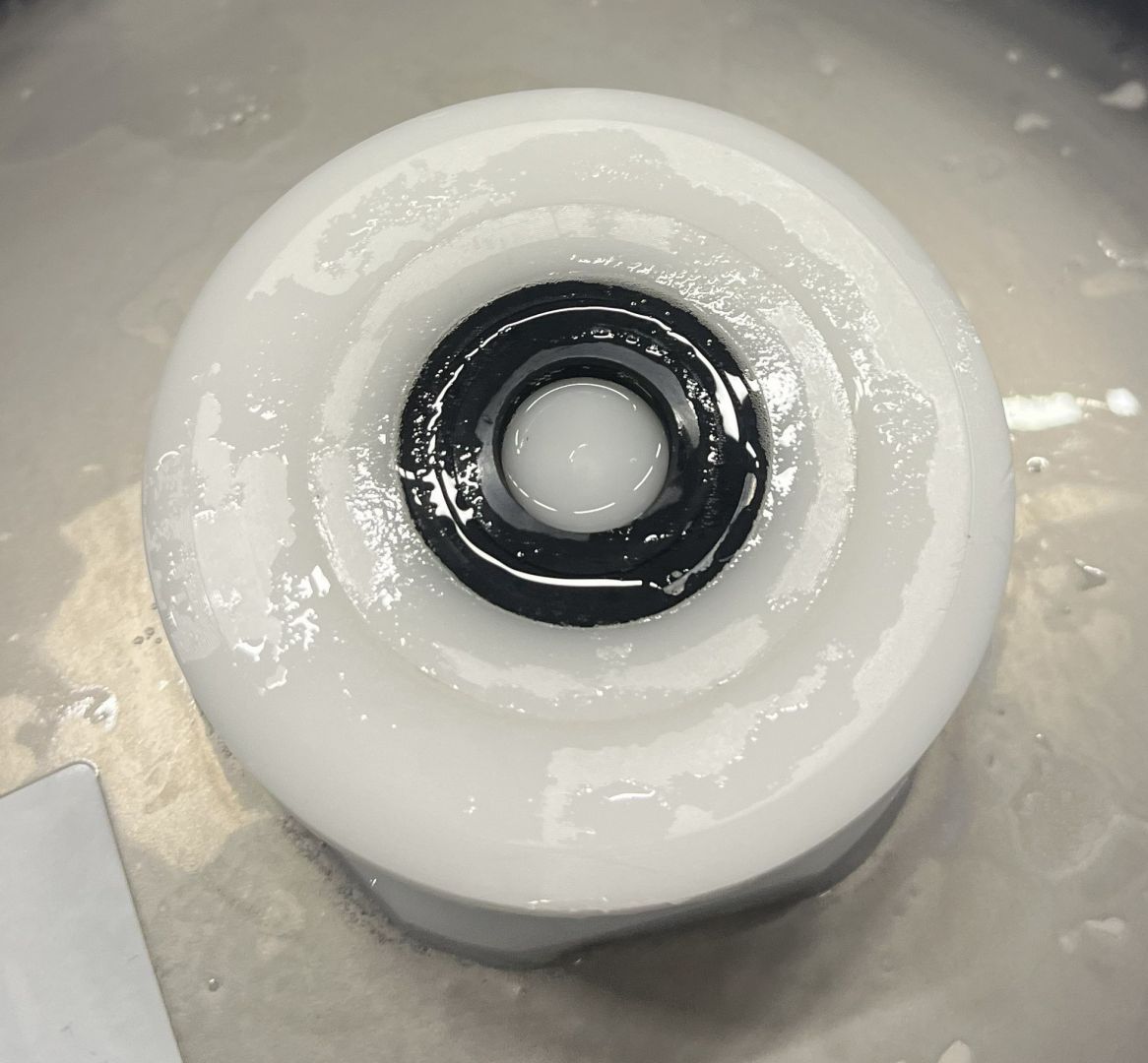
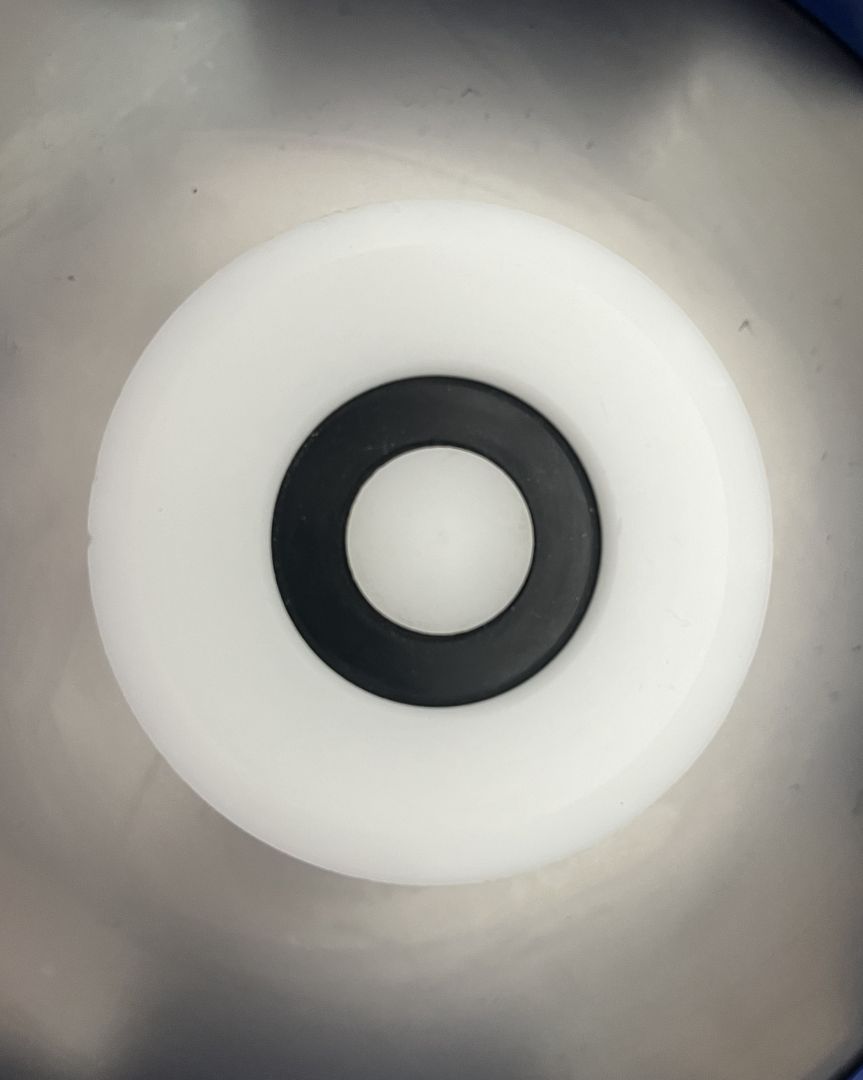
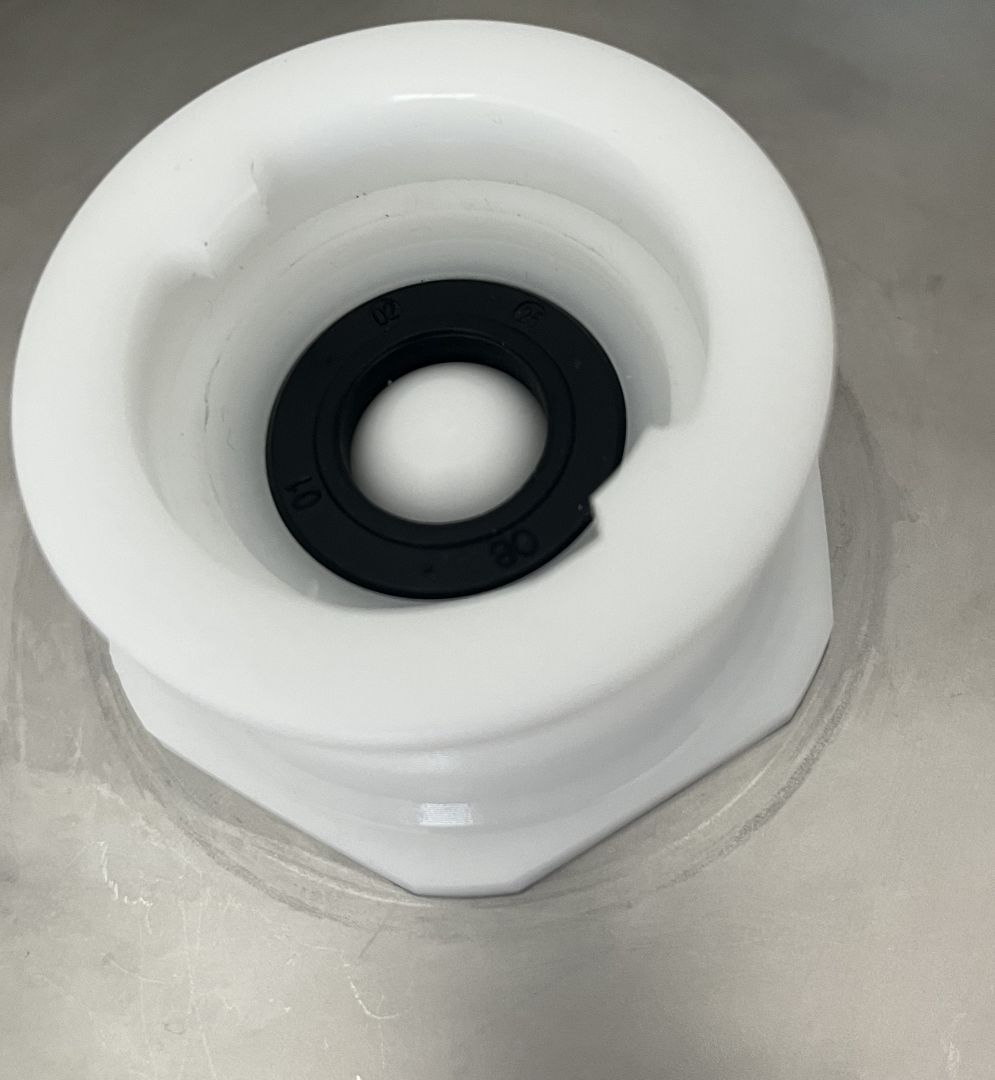
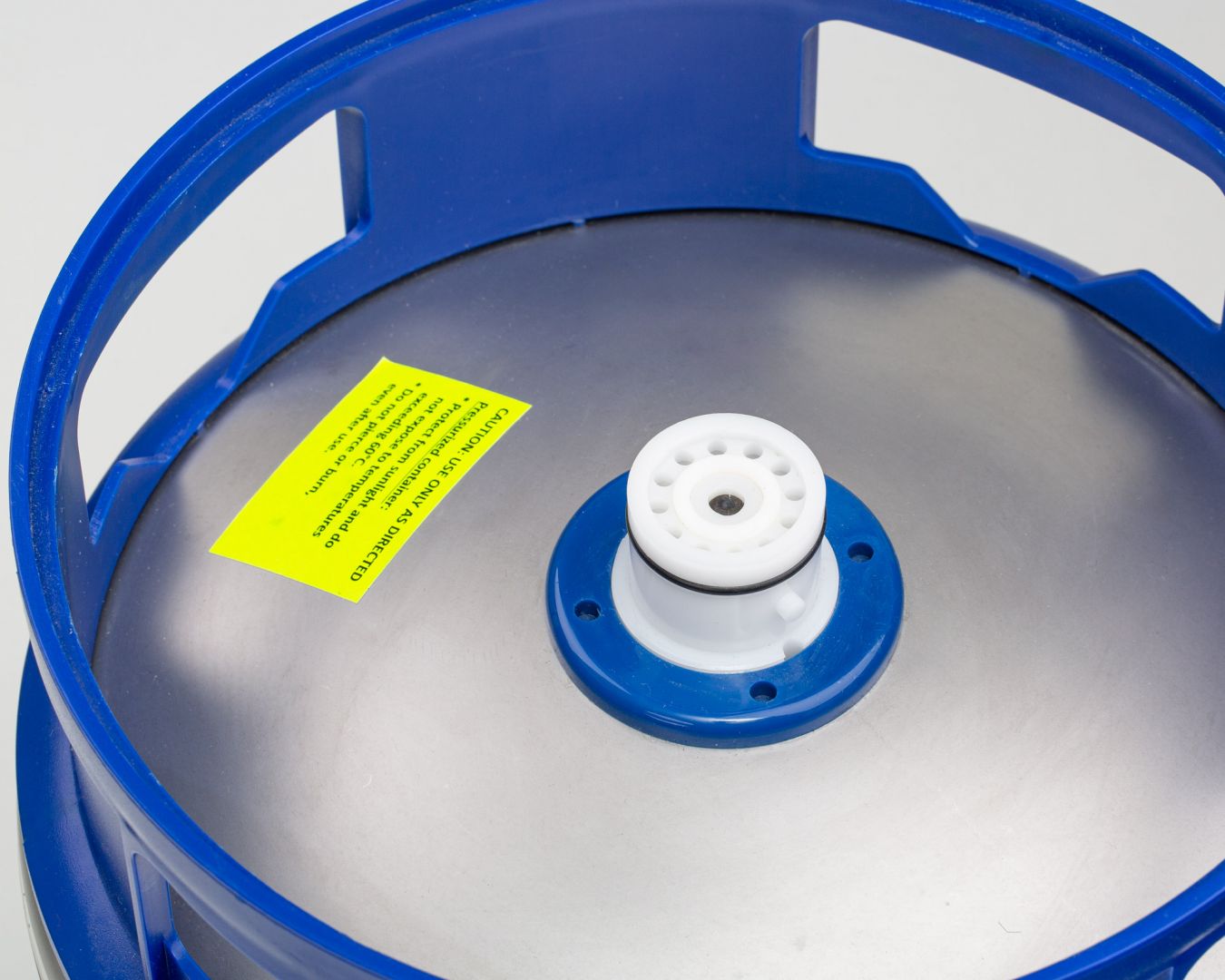
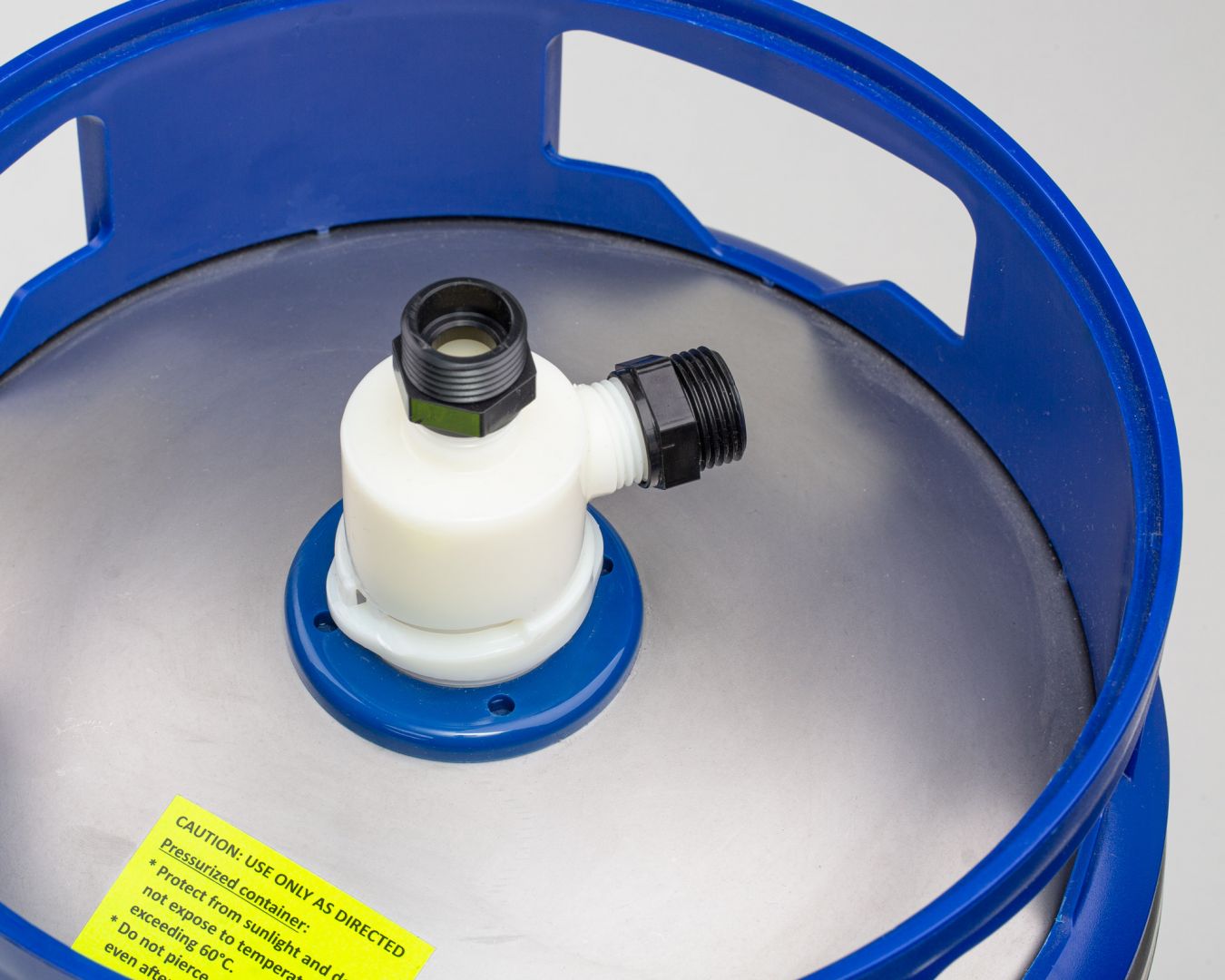
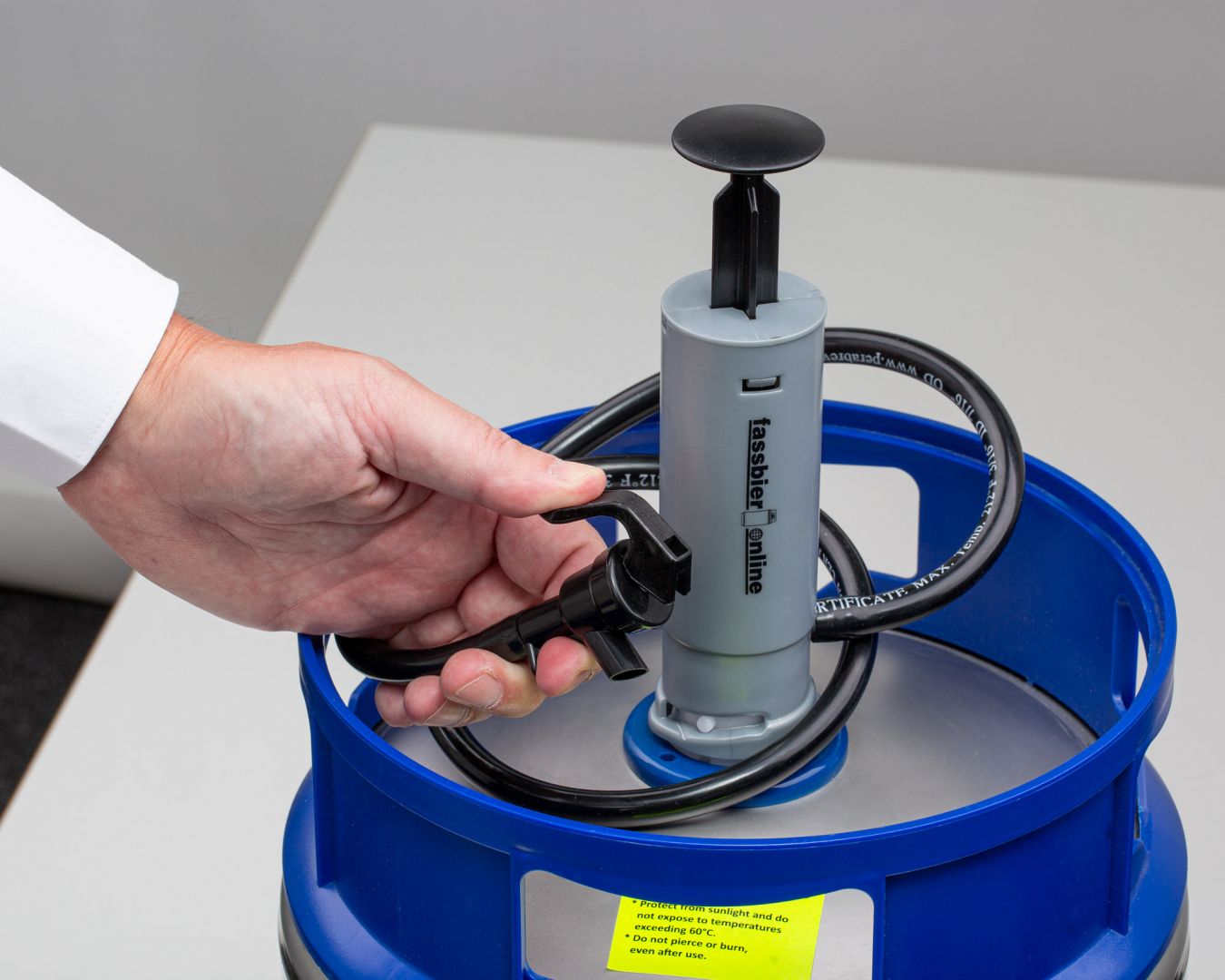
Choosing the right spear is crucial for the quality of the products, the export destination and the target customers. For the European, African, Central/South American and Asian B2B clientele, we offer the S-Type one-way spear. For the USA, Canada and Mexico market, we offer the D-Type spear, also known as the US draft or Sankey fitting. Both fittings have a spring-loaded valve for both the product and the pumped gas (CO2/N2) and are suitable for pressures up to 30 bar. This allows working with tap pressures of 7 bar and avoids CO2 loss in the product during transport. Our own WORLDKEG spear/dispensing head is ideal for distribution to end customers, as the connections for gas and product always fit and a cost-effective party pump is available.
The disposable spear are inserted into the WORLDKEG lid from the inside, i.e. before welding together, and are therefore 100% tamper-proof, aseptically damped as a "ready to fill" solution and always pressure-stable.
Stainless Steel Disposable Kegs – WORLDKEG – are compliant with the EU Packaging Regulation through 2050
The new EU Packaging and Packaging Waste Regulation (PPWR), which takes effect in August 2026, is mandatorily met by the stainless steel single-use keg. Large containers such as kegs are currently exempt from the Europe-wide deposit system for single-use beverage packaging, which is to be established by 2029. The single-use stainless steel keg complies with the PPWR’s packaging requirement—mandatory starting in 2030—for design suitable for recycling, as it is made primarily of a single material (stainless steel) and all components can be clearly separated, enabling single-material recycling. No recycled content requirements—such as those stipulated in the PPWR for PET starting in 2030—have been established for stainless steel kegs, as stainless steel packaging is classified as fully recyclable.
System Comparison: Disposable vs. Refillable Kegs
The use of disposable kegs prevents capital loss due to the loss or damage to reusable kegs, whose deposit rarely covers the purchase cost. Shrinkage rates, turnover rates, and the costs of return transport, repair, and cleaning are not a factor in the disposable system.
The global market for single-use kegs is growing steadily and has now reached an annual sales volume of around 1 billion euros. The commercial use of single-use kegs is particularly beneficial where logistical or economic challenges make the use of returnable systems difficult—for example, in spot markets, in regions with restrictions due to war or epidemics, in export markets with low turnover rates (less than 1.5 turns per year), where shrinkage or damage rates are high (over 6% per cycle), when dealing with unknown business partners, or in end-customer sales through retail outlets and online platforms.
Sustainability of Single-Use Kegs
How does a stainless steel keg compare to a PET keg in terms of its CO₂ equivalent footprint? For this analysis, CO₂ equivalents (CO₂e)—a unit of measurement used to compare and quantify the climate impact of various greenhouse gases—are calculated.
For the sustainability assessment, the CO₂ equivalents (CO₂e) for the production and recycling of 30-liter single-use PET and stainless steel kegs were determined. The PET keg generates about four times as much CO2e (8.55 kg) as a single-use stainless steel keg (1.95 kg). A particular advantage of using single-use stainless steel kegs is the scrap value of the empty keg, which exceeds disposal costs; thus, the recycling process generates a profit for circular economy operators. PET recycling, on the other hand, incurs costs, which contributes to illegal landfills and the increase in plastic waste in the oceans.
Sustainability: Reusable vs. Disposable
Many breweries and wineries believe that reusable stainless steel kegs—including those used for export—have the best CO2e footprint. We have also crunched the numbers here. The calculation is based on the same sources as for the single-use calculation. A very low loss/damage rate of 5% was assumed for kegs in the export business, and a 30-liter DINKEG was used as the reference keg. As expected, the CO2e emissions of the reusable keg are impressively low at just 0.25 kg CO2e per cycle.
Since reusable kegs must be transported back to the filling location after use, we used the standard values for CO2e emissions from truck and ocean transport published by the Federal Ministry for the Environment in 2023 for our calculation. Based on this, the CO2e break-even values were determined between the reusable keg and the stainless steel single-use keg, as well as between the reusable keg and the PET single-use keg. The emissions generated during the cleaning of reusable kegs were not included in this calculation, as they depend heavily on the specific type of cleaning equipment used.
Summary / Conclusion of the System Comparison: Reusable Keg / Plastic Keg / Stainless Steel Disposable Keg - WORLDKEG
If only CO2e emissions and product quality are considered, the following recommendations for the use of kegs result:
- PET kegs should be reconsidered, as they pose a potential health hazard, can explode under pressure, lack a global disposal system, and have a very poor CO2e footprint.
- Locally operating breweries and wine producer should opt for refillable kegs.
- For exports, a single-use stainless steel keg is recommended to reduce CO2e emissions if the distance to the importer exceeds 1,500 km (by truck) or 7,000 km (by ship). For plastic kegs, the CO2e break-even points are 7,000 km by truck and 27,000 km by sea.
The success of the technically and technologically advantageous single-use stainless steel keg will ultimately be determined by procurement costs and the associated cost-effectiveness for breweries and winemakers.
You can read more about the system comparison by author Gerd-Albrecht Graf—a trained brewer and maltster and certified master brewer (Technical University of Munich/Weihenstephan)—at fzarchiv.sachon.de under the keyword WORLDKEG.
Data on the WORLDKEG
- Made out of AISI stainless steel
- Material thickness outer casing/ tube: 0.4 mm
- Material thickness lid/ dish ends 0.8 mm
- Capacity: 20 / 25 / 30 Liter
- Height: 420–500–585 mm
- Diameter: 285 mm
- Burst pressure/ pressure stable: 10 bar +/- 1 bar
- Steam pasteurization at 2 bar steam seed/ 120°C
- Aseptic delivery - " Ready to fill".
- Precharged with CO2/ N2 - 1.5 bar(g)
- Additional O2 intake during filling: less than 10 ppb =0.01 mg/liter
- Tapping pressure: max. 7 bar
- storage temperature: max. 60°C
- Usability from production date: 18 months
- Available spears: A-Type / S-Type / D-Type / M-Type /WORLDKEG spear system with WORLDKEG tap head & party pump
- Palletizing EURO/ export pallet CP2 - 1200 x 800 mm - layer pattern 4/3/4 = 11 pieces/layer
- Palletizing export pallet CP3/CP9 - 1140 x 1140 mm - layer pattern 4x4 = 16/piece
Patented by CoolSystem KEG GmbH up to 31.03.2036
MX2018005561A
CA3003204C
US11186407B2
EP3371068B1
RU2736516C
CH C10845EP
GB C10845EP